Expert Care for Digestive, Liver, and Gastrointestinal Conditions

Digestive health concerns can affect every aspect of your daily life, from the foods you enjoy to your comfort, energy levels, and overall well-being. Whether you’re experiencing occasional symptoms or managing a chronic condition, early evaluation and proper treatment can make a significant difference.

At Texas GI Physicians we provide comprehensive diagnosis and treatment for a wide range of gastrointestinal disorders affecting the esophagus, stomach, intestines, colon, liver, gallbladder, and pancreas.

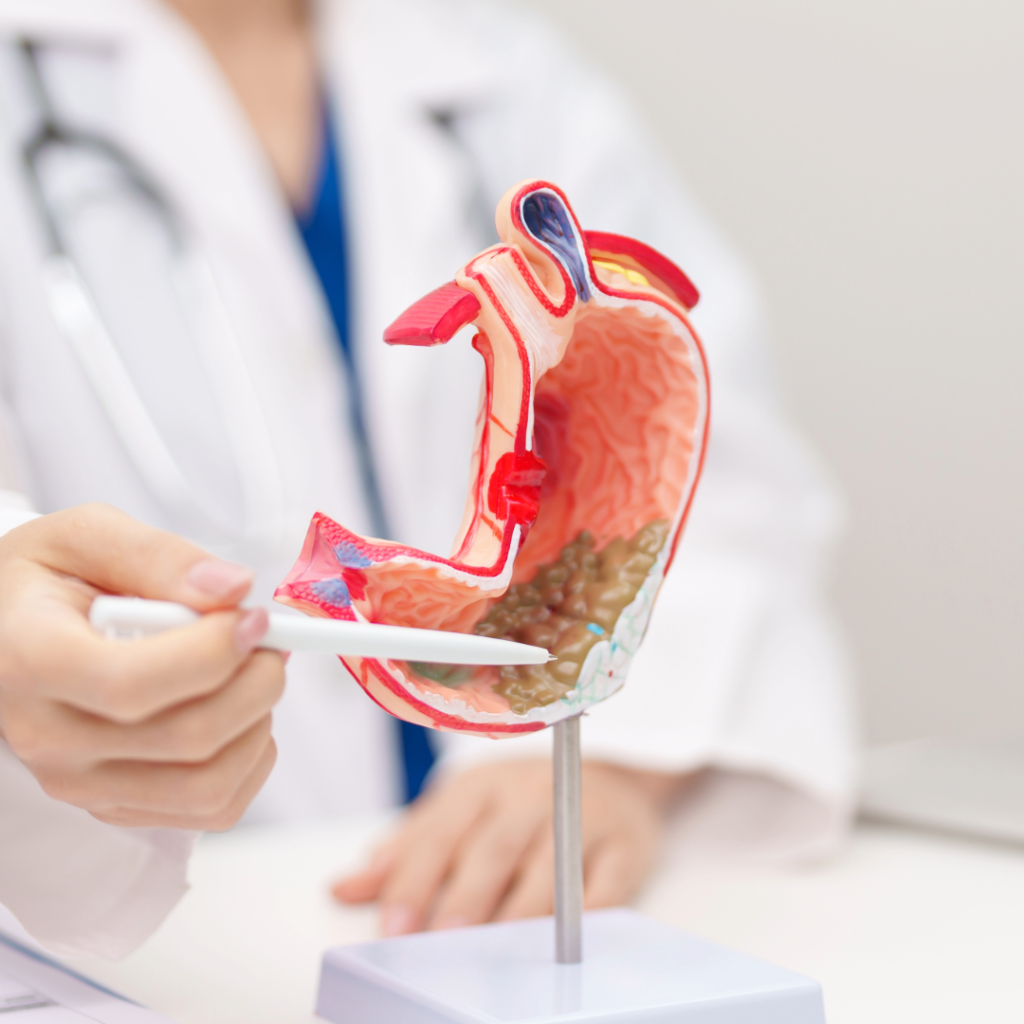
Finding Answers Starts with Understanding the Cause

Many digestive conditions share similar symptoms, making accurate diagnosis essential. Persistent heartburn, abdominal pain, bloating, diarrhea, constipation, difficulty swallowing, rectal bleeding, or unexplained weight loss may indicate an underlying gastrointestinal condition that requires professional evaluation.

Our goal is to identify the source of your symptoms and develop a personalized treatment plan focused on improving your quality of life and long-term digestive health.

When Heartburn Becomes More Than an Occasional Problem

The esophagus plays a critical role in moving food from the mouth to the stomach. Disorders affecting this area can lead to discomfort, swallowing difficulties, and long-term complications if left untreated.

Achalasia is a rare swallowing disorder that affects the ability of the esophagus to move food into the stomach. Patients may experience difficulty swallowing, chest discomfort, regurgitation, or weight loss.

Barrett’s esophagus develops when long-term acid reflux causes changes in the cells lining the lower esophagus. Although not cancer, it increases the risk of esophageal cancer and requires ongoing monitoring and management.

Difficulty swallowing can result from inflammation, narrowing of the esophagus, muscle disorders, or structural abnormalities. Evaluation is important to determine the underlying cause and prevent complications.

Difficulty swallowing can result from inflammation, narrowing of the esophagus, muscle disorders, or structural abnormalities. Evaluation is important to determine the underlying cause and prevent complications.

This inflammatory condition occurs when eosinophils accumulate in the esophagus, often due to allergic reactions. Symptoms may include swallowing difficulties, food impaction, and chronic reflux-like symptoms.

Conditions Affecting Digestion and Upper Gastrointestinal Health

The stomach plays a vital role in digestion. Disorders affecting the stomach can lead to pain, nausea, bloating, and difficulty processing food properly.

Peptic ulcers are sores that develop in the lining of the stomach or upper small intestine. Common symptoms include abdominal pain, indigestion, nausea, and, in severe cases, bleeding.

Gastroparesis occurs when the stomach empties more slowly than normal. Patients often experience nausea, bloating, early fullness, vomiting, and abdominal discomfort.

Gastritis refers to inflammation of the stomach lining and may be caused by infection, medications, alcohol use, or autoimmune conditions. Symptoms can include nausea, upper abdominal pain, and indigestion.

Personalized Care for Your Digestive Health

Every patient is unique, and so is every treatment plan. Whether you’re dealing with persistent symptoms, a newly diagnosed condition, or seeking preventive care, Dr. Muhammad Asim provides individualized recommendations based on your health history, symptoms, and goals.

Our practice is committed to helping patients find answers, improve their quality of life, and achieve better long-term digestive health.